
Energy Efficient Home Design Explained: Sustainable Living Benefits
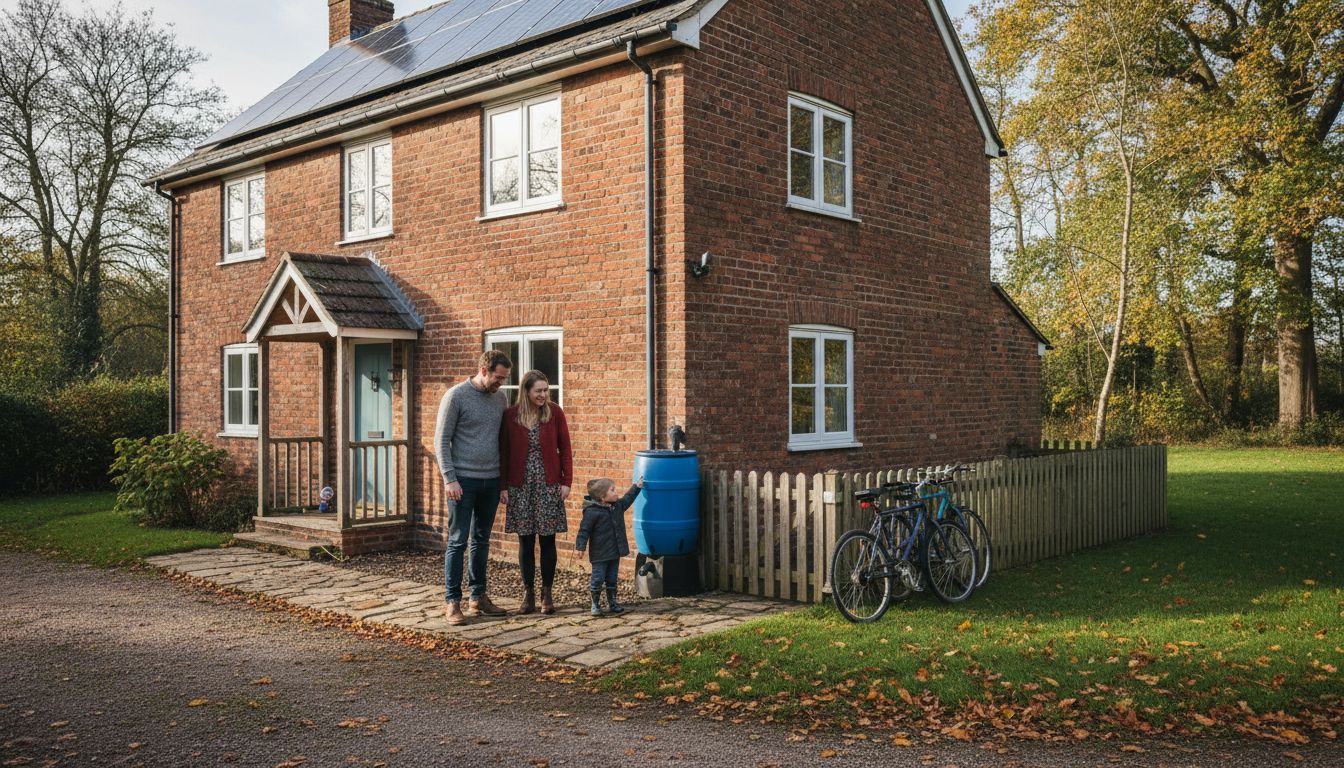
Nearly half of british homes could cut their energy use by up to 40 percent with the right design choices. The way we build and renovate is changing fast as homeowners seek comfort, lower bills, and a smaller environmental footprint. Whether you are curious about advanced materials, smart layouts, or legal standards across Central Europe, understanding modern solutions can transform the future of residential living.
Table of Contents
Key Takeaways
Point | Details |
Energy Efficiency Principles | Sustainable home design involves thermal optimisation, advanced insulation, and smart ventilation to reduce energy consumption and enhance living comfort. |
Traditional vs Modern Methods | Combining traditional craftsmanship with modern technologies leads to innovative sustainable architecture, improving energy efficiency and environmental impact. |
Core Components | Intelligent insulation, carefully selected materials, and strategic building orientation are essential for creating energy-efficient homes that respond to environmental changes. |
Cost and Financial Benefits | Despite initial investments in sustainable design, potential long-term savings, property value increases, and available government incentives can significantly enhance financial returns. |
Defining Energy Efficient Home Design Principles
Energy efficient home design represents a strategic approach to minimising energy consumption while maximising living comfort through intelligent architectural planning. This holistic methodology goes far beyond simple insulation techniques, encompassing a comprehensive understanding of thermal dynamics, material selection, and integrated systems thinking. Sustainable design principles focus on reducing environmental impact while creating living spaces that adapt seamlessly to occupants’ needs.
At the core of energy efficient design lies the principle of thermal optimisation, which involves carefully analysing how buildings interact with their surrounding environment. Innovative approaches to designing energy-self-sufficient housing communities demonstrate that proactive planning can dramatically reduce energy demand. Key strategies include:
Precise building orientation to maximise solar gain
Advanced insulation technologies
High-performance window and door systems
Strategic ventilation design
Intelligent heat recovery mechanisms
Building physics plays a critical role in this process. Thermal building optimisation techniques require deep understanding of heat transfer principles, material properties, and systemic interactions. Architects and designers must consider multiple variables: solar radiation, thermal mass, air circulation, and moisture management. By integrating these complex factors, professionals can create homes that maintain comfortable internal temperatures while minimising energy consumption.
Successful energy efficient home design demands a holistic approach that balances technological innovation with environmental sensitivity. This means selecting sustainable materials, implementing renewable energy systems, and designing flexible spaces that can adapt to changing environmental conditions. The goal is not just reducing energy bills, but creating living environments that support both human well-being and ecological preservation.
Traditional Versus Modern Sustainable Building Methods
The landscape of sustainable construction has dramatically transformed, bridging age-old architectural wisdom with cutting-edge technological innovations. Historically, traditional building methods relied on locally sourced materials and passive design strategies that inherently responded to regional climate conditions. Modern construction techniques now blend traditional design principles with advanced materials and technologies, creating a sophisticated approach to sustainable architecture.
Traditional building methods often employed natural materials like timber, stone, and clay, which provided excellent thermal regulation and durability. In contrast, modern sustainable construction introduces revolutionary techniques such as:
Structural Insulated Panels (SIPs)
Cross-Laminated Timber (CLT)
Advanced 3D printing technologies
Prefabricated modular systems
Intelligent building materials with enhanced thermal properties
Contemporary construction techniques represent a significant evolution in building methodologies, offering unprecedented design flexibility and energy efficiency. Modern approaches focus on minimising environmental impact through precision engineering, reduced waste production, and integration of renewable energy systems. These innovative methods allow architects and builders to create structures that are not just aesthetically pleasing but also environmentally responsible.
Ultimately, the most effective sustainable building strategy combines the best elements of traditional craftsmanship with modern technological innovations. By respecting time-honoured architectural principles while embracing cutting-edge materials and design techniques, we can create buildings that are both ecologically sensitive and technologically advanced. This holistic approach ensures that sustainable construction is not just a trend, but a meaningful progression towards more intelligent, responsive, and environmentally conscious building practices.
Core Components: Insulation, Materials, and Orientation
Sustainable home design hinges on three fundamental components: intelligent insulation, carefully selected materials, and strategic building orientation. These interconnected elements form the backbone of energy-efficient construction, determining a building’s thermal performance, environmental impact, and long-term sustainability. Climate-adaptive building shells demonstrate how architectural elements can dynamically interact with environmental conditions, creating structures that respond intelligently to changing thermal and atmospheric demands.
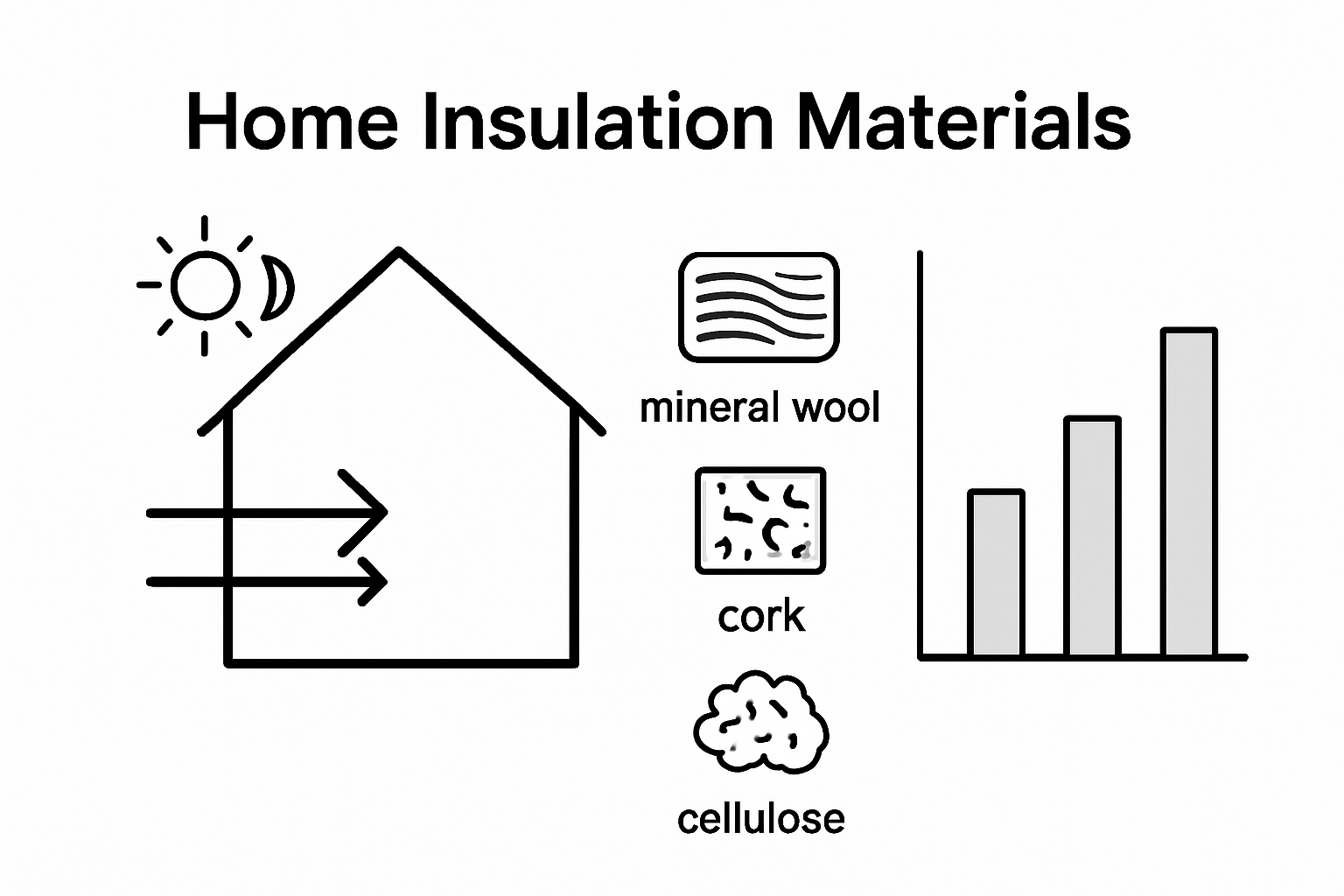
Insulation represents the critical first line of defence against thermal transfer. Modern sustainable homes utilise advanced insulation technologies that go beyond traditional approaches, incorporating materials with superior thermal resistance and breathability. Key insulation strategies include:
High-performance natural fibre insulations
Aerogel-based thermal barriers
Vacuum insulated panels
Phase-change material integrated systems
Recycled and sustainable insulation alternatives
Material selection plays an equally crucial role in sustainable design. Architects and builders must consider not just thermal performance, but also embodied energy, carbon footprint, and lifecycle sustainability. The Solar Settlement at Schlierberg provides an exceptional example of integrating optimal orientation with sustainable material choices, demonstrating how thoughtful design can produce buildings that generate more energy than they consume.
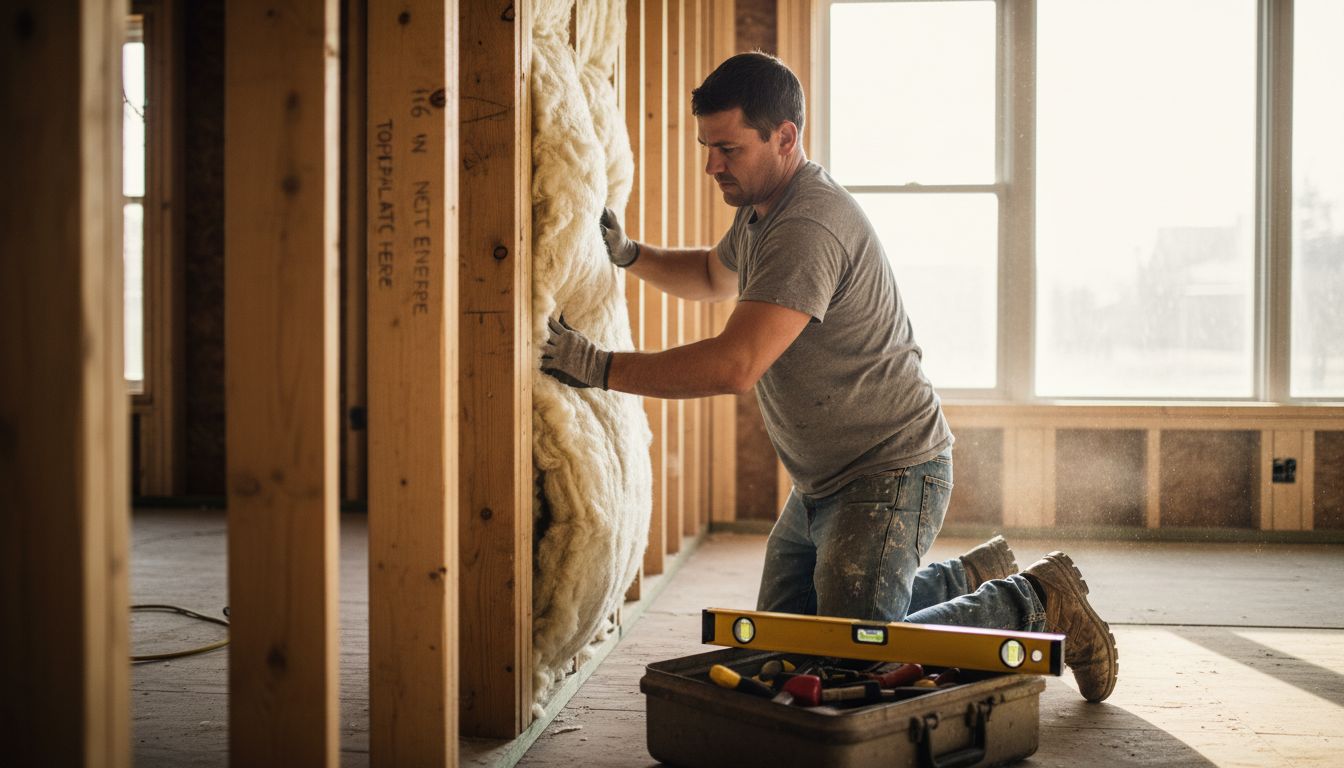
Building orientation emerges as a sophisticated science, balancing solar exposure, wind patterns, and local microclimate characteristics. Successful sustainable design requires precise positioning to maximise natural heating and cooling potential, minimise energy consumption, and create comfortable living environments. By synthesising advanced material science, thermal engineering, and contextual architectural understanding, designers can create homes that are not just shelters, but active participants in environmental stewardship.
Legal Standards and Certification in Central Europe
The landscape of sustainable construction in Central Europe is characterised by increasingly rigorous legal frameworks and comprehensive certification processes that drive environmental innovation. Governments across the region have implemented progressive regulations designed to promote energy efficiency, reduce carbon emissions, and establish stringent building performance standards. Swiss initiatives like ENBau demonstrate a proactive approach to sustainable building practices, focusing on resource efficiency and holistic environmental management in real estate development.
Certification systems in Central Europe typically encompass multiple dimensions of sustainable construction, including:
Energy consumption performance
Material sustainability
Waste reduction strategies
Indoor environmental quality
Lifecycle assessment metrics
Carbon footprint evaluation
Renewable energy integration
These certification standards go beyond mere compliance, creating a sophisticated ecosystem that incentivises architectural and engineering excellence. Developers and architects must navigate complex regulatory environments that require detailed documentation, scientific measurement, and continuous performance monitoring. The most advanced certification programmes provide multilayered assessments that examine not just the immediate environmental impact, but also long-term sustainability potential.
Building certifications in Central Europe represent more than bureaucratic requirements; they are strategic tools for driving systemic change in the construction industry. By establishing clear, measurable standards, these frameworks encourage continuous innovation, promote transparent environmental reporting, and create economic incentives for sustainable design. The result is a progressive regulatory environment that transforms theoretical environmental principles into tangible, implementable building practices, ultimately supporting broader regional goals of ecological preservation and responsible urban development.
Cost, Savings, and Common Pitfalls to Avoid
Sustainable home design represents a significant investment that requires careful financial planning and strategic decision-making. Energy consumption analyses in public buildings reveal the complex economic dynamics of modernisation efforts, highlighting the nuanced relationship between initial expenditure and long-term financial benefits. Understanding the true economic landscape of sustainable construction involves examining both immediate costs and projected savings across multiple dimensions.
Key financial considerations for sustainable home design include:
Initial capital investment
Potential government incentives and tax rebates
Projected energy savings
Maintenance cost reductions
Enhanced property value
Potential renewable energy generation income
Long-term lifecycle cost benefits
Multi-energy system implementations demonstrate the intricate economic calculations behind sustainable housing strategies, revealing that successful projects require comprehensive techno-economic assessments. Common pitfalls often emerge from oversimplified financial projections or inadequate understanding of systemic interactions. Homeowners must consider factors beyond simple energy savings, including potential technological obsolescence, maintenance complexity, and evolving regulatory environments.
Successful sustainable home design demands a holistic approach that balances immediate financial constraints with long-term environmental and economic benefits. While initial investments might appear substantial, strategic planning can transform these expenditures into significant value propositions. By carefully navigating technological options, understanding local incentive structures, and maintaining flexibility in design approaches, homeowners can create resilient, cost-effective living spaces that simultaneously reduce environmental impact and provide substantial economic advantages.
Unlock the Full Potential of Energy Efficient Home Design Today
Designing a sustainable home means grappling with challenges like balancing thermal optimisation, selecting eco-friendly materials, and positioning your project perfectly to harness natural energy. The article highlights key concerns such as minimising energy consumption while creating healthy and adaptable living spaces. If you seek to overcome these complexities and build an energy efficient home that offers durability, comfort, and ecological responsibility, innovative modular construction could be your solution.
Discover how Green Heritage integrates traditional European craftsmanship with modern sustainable materials like cork and certified Nordic wood. Our modular kits and system solutions ensure precision energy performance and rapid assembly that respects your budget and ecological values. Take the next step toward sustainable living by exploring our customizable eco-home offerings and professional services tailored for homeowners, architects, and developers. Visit Green Heritage today to build a healthier future with confidence.
Frequently Asked Questions
What are the main principles of energy efficient home design?
Energy efficient home design focuses on thermal optimisation, smart material selection, and integrated systems. Key principles include building orientation to maximise solar gain, advanced insulation, high-performance windows, strategic ventilation, and heat recovery methods.
How does insulation contribute to energy efficiency in homes?
Insulation acts as a barrier against thermal transfer, helping to maintain comfortable indoor temperatures. Advanced insulation materials, such as aerogel and vacuum panels, enhance thermal resistance and energy performance.
What are the benefits of using modern sustainable building methods?
Modern sustainable building methods combine traditional techniques with innovative materials and practices, offering improved energy efficiency, reduced environmental impact, and design flexibility. This results in environmentally conscious and technologically advanced buildings.
How do legal standards affect sustainable home construction?
Legal standards and certification processes ensure that sustainable construction meets rigorous energy efficiency and environmental regulations. These frameworks drive innovation and establish measurable criteria for building performance, promoting responsible design and urban development.
Recommended


I enjoyed using this platform because the interface feels modern, responsive, and very comfortable during online browsing sessions. Everything is arranged clearly, helping users move through sections smoothly without unnecessary confusion throughout use. The pages load quickly, and the platform performs consistently well across desktop and mobile devices during browsing. The organized layout also improves readability online. Overall, it creates a dependable, practical, and beginner-friendly environment suitable for regular online activities.
ok win login