
Using Sustainable Building Materials in Portugal
Updated: May 17
Building homes that respect the environment is no longer a choice but a necessity. In Portugal, the demand for eco-friendly construction materials is growing rapidly. These materials help reduce the environmental impact of construction while promoting healthier living spaces. I want to share insights on how to use these materials effectively, blending tradition with innovation to create sustainable homes.
Understanding Eco-Friendly Construction Materials
Eco-friendly construction materials are those that minimize harm to the environment throughout their lifecycle. They come from renewable sources, require less energy to produce, and often improve indoor air quality. In Portugal, where climate and culture influence building styles, choosing the right materials is essential.
Some popular eco-friendly materials include:
Cork: Portugal is the world’s largest producer of cork. Cork is lightweight, insulating, and renewable. It is harvested without harming trees, making it a perfect sustainable choice.
Clay and Earth: Traditional Portuguese homes often use clay and earth for walls. These materials regulate humidity and temperature naturally.
Recycled Wood: Using reclaimed wood reduces deforestation and adds character to homes.
Natural Stone: Abundant in Portugal, natural stone is durable and requires minimal processing.
Hempcrete: A mixture of hemp fibers and lime, hempcrete is lightweight, insulating, and carbon-negative.
Using these materials can reduce the carbon footprint of construction projects. They also contribute to healthier indoor environments by avoiding toxic chemicals found in some conventional materials.
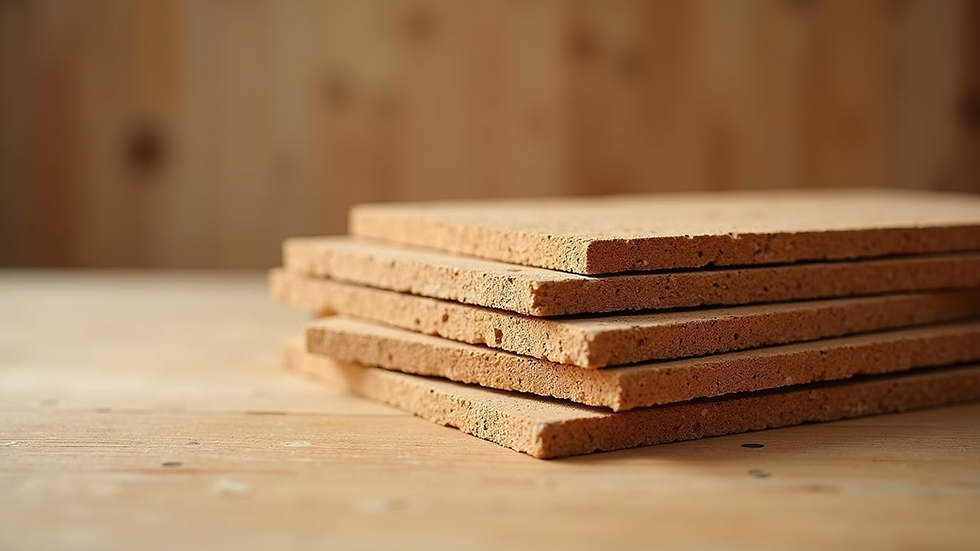
Caption: Cork panels are a sustainable and insulating material widely used in Portuguese eco-homes.
Benefits of Using Eco-Friendly Construction Materials in Portugal
Choosing eco-friendly materials offers many advantages beyond environmental impact. Here are some key benefits:
Energy Efficiency: Materials like cork and hempcrete provide excellent insulation. This reduces the need for heating and cooling, lowering energy bills.
Durability and Longevity: Natural stone and recycled wood are long-lasting. They withstand Portugal’s diverse climate, from coastal humidity to inland heat.
Healthier Living Spaces: These materials often have low or zero volatile organic compounds (VOCs), improving indoor air quality.
Cultural Connection: Using traditional materials like clay and cork connects modern homes to Portugal’s rich architectural heritage.
Economic Support: Sourcing local materials supports Portuguese industries and reduces transportation emissions.
For developers and builders, these benefits translate into homes that are attractive, cost-effective, and environmentally responsible. They also align with the growing market demand for sustainable housing.

Caption: Natural stone walls combine durability with traditional Portuguese aesthetics.
What are the 7 Principles of Sustainable Construction?
Sustainable construction is guided by principles that ensure buildings are environmentally responsible and resource-efficient. These principles help in selecting materials and designing homes that last.
Minimize Resource Use: Use materials that require less energy and water to produce.
Use Renewable Resources: Choose materials that can be replenished naturally, like cork and bamboo.
Reduce Waste: Design for minimal waste during construction and use recycled or recyclable materials.
Enhance Energy Efficiency: Select materials that improve insulation and reduce energy consumption.
Protect Indoor Air Quality: Avoid materials that emit harmful chemicals.
Respect Local Context: Use materials and designs that fit the local climate and culture.
Plan for Longevity and Adaptability: Build homes that last and can adapt to future needs.
Applying these principles in Portugal means embracing both modern technology and traditional methods. For example, combining hempcrete insulation with solar panels creates a home that is both energy-efficient and sustainable.
Practical Tips for Using Sustainable Building Materials in Portugal
When planning a sustainable home, consider these actionable recommendations:
Source Locally: Portugal offers many local materials like cork, stone, and clay. Local sourcing reduces transportation emissions and supports the economy.
Work with Experts: Collaborate with architects and builders experienced in eco-friendly construction. They understand how to optimize materials for Portugal’s climate.
Focus on Insulation: Invest in high-quality insulation materials such as cork or hempcrete. Proper insulation reduces energy needs significantly.
Incorporate Passive Design: Use building orientation, window placement, and shading to maximize natural light and ventilation.
Choose Non-Toxic Finishes: Select paints, sealants, and adhesives with low VOCs to maintain healthy indoor air.
Plan for Water Efficiency: Use materials and systems that reduce water consumption, such as rainwater harvesting and permeable surfaces.
Consider Lifecycle Costs: Evaluate materials not just by upfront cost but by durability, maintenance, and energy savings over time.
By following these tips, you can create homes that are beautiful, functional, and kind to the planet.

Caption: An eco-friendly home under construction in Portugal, showcasing sustainable building practices.
The Future of Sustainable Housing in Portugal
Portugal is poised to lead in sustainable housing by embracing eco-friendly construction materials. The combination of traditional European methods and modern technology offers a unique opportunity. Green Heritage aims to make these homes accessible to everyone, from luxury developments to affordable housing.
As demand grows, innovation will continue to improve material performance and reduce costs. Governments and organizations are also supporting sustainable building through incentives and regulations.
For anyone involved in construction, adopting sustainable materials is a smart investment. It benefits the environment, enhances quality of life, and meets the expectations of modern homeowners.
I encourage you to explore the wide range of sustainable building materials available in Portugal. Together, we can build a greener, healthier future.
By choosing eco-friendly construction materials, we honor Portugal’s heritage and protect its future. The path to sustainable housing is clear, and the tools are within reach. Let’s build homes that last, nurture, and inspire.
Conclusion: Embracing a Sustainable Future
In conclusion, the journey towards sustainable housing in Portugal is both exciting and essential. By integrating eco-friendly materials into our building practices, we not only reduce our environmental footprint but also create healthier living spaces. The principles of sustainable construction guide us in making informed choices that benefit both our communities and the planet.
As we move forward, let’s continue to innovate and collaborate. Together, we can transform the landscape of housing in Portugal, ensuring that future generations inherit a world that values sustainability and beauty. The commitment to eco-friendly construction is more than a trend; it is a responsibility we share. Let's embrace this challenge and build a future that reflects our values and aspirations.


Apreciei a clareza com que os vários conceitos são explicados. A leitura flui naturalmente e nunca se torna pesada ou difícil. Adicionei esta página aos meus favoritos para consultas futuras. É um conteúdo útil também para quem tem o primeiro contacto com o tema.