
Why Choose Sustainable Materials in Eco-Construction
- Dec 15, 2025
- 7 min read
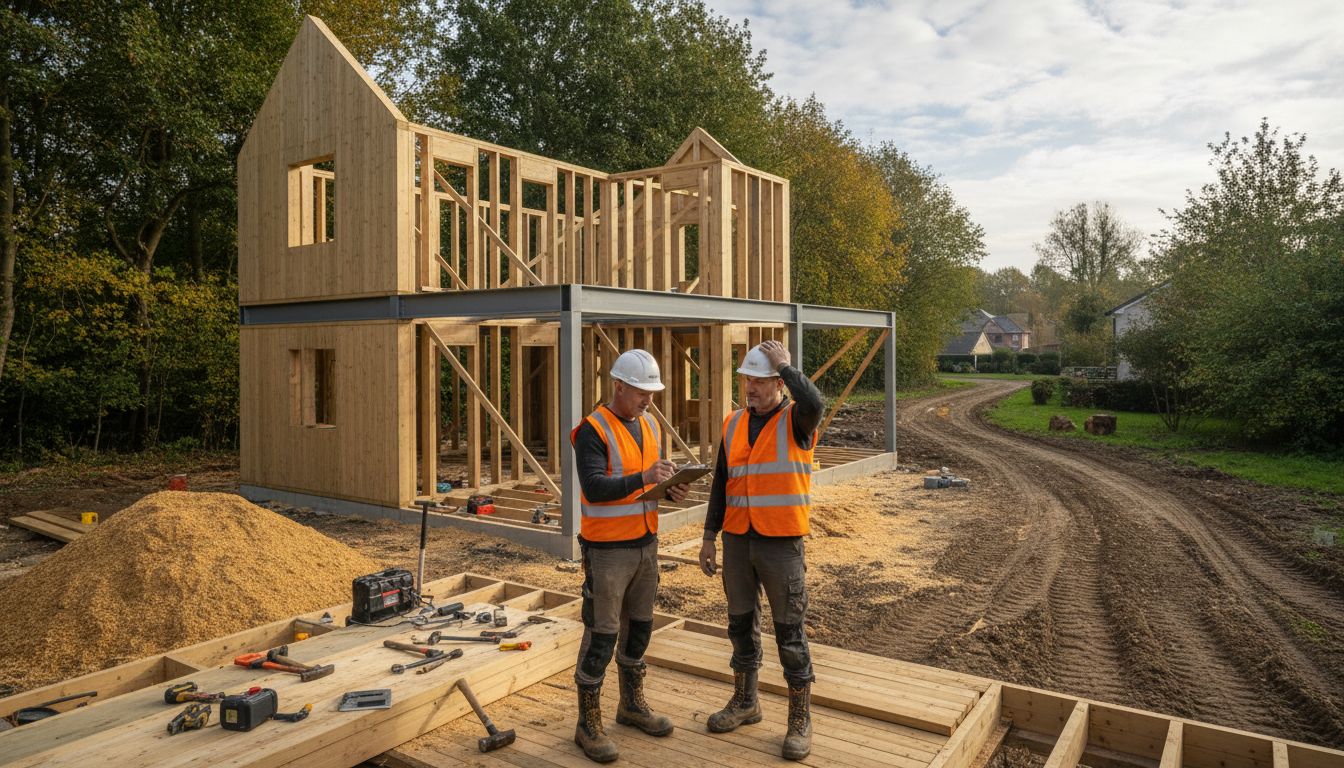
Over 60 percent of new construction projects in British cities now incorporate sustainable materials as a response to growing environmental concerns. Choosing eco-friendly options matters because building practices have a direct impact on air quality, community health, and the future of local ecosystems. Discover how sustainable materials reshape British construction, offering long-term savings, better comfort, and a healthier environment compared to conventional alternatives.
Table of Contents
Key Takeaways
Point | Details |
Sustainable Materials Definition | Sustainable materials in construction prioritise ecological balance, renewable sourcing, and minimal processing to reduce environmental impact throughout their lifecycle. |
Health and Comfort Benefits | These materials enhance indoor air quality and thermal comfort, contributing to healthier living environments. |
Economic Advantages | Investing in sustainable materials offers long-term savings through reduced energy costs, maintenance, and potential property value increase. |
Circular Economy Principles | Sustainable materials support a closed-loop lifecycle, promoting recycling and reuse while conventional materials follow a linear model leading to waste. |
Defining Sustainable Materials in Construction
Sustainable materials in construction represent a critical evolution in building practices, focusing on minimising environmental impact while maximising resource efficiency. These materials are carefully selected to reduce carbon footprints, support ecological balance, and create structures that harmonise with natural systems.
At its core, sustainable construction materials are defined by several key characteristics: renewable sourcing, low embodied energy, minimal processing requirements, and the ability to be recycled or biodegraded at the end of their lifecycle. Construction materials that support sustainable development prioritise ecological considerations throughout their entire production and usage journey, from extraction to final disposal.
Typical sustainable materials include rapidly renewable resources like bamboo, cork, hemp, reclaimed timber, recycled steel, and locally sourced stone. These materials demonstrate remarkable properties: lightweight structures, excellent thermal performance, natural breathability, and significantly reduced environmental impact compared to traditional construction materials. Nordic wood, for instance, represents an outstanding example of a sustainably managed resource that provides structural integrity while maintaining strict environmental standards.
The selection of sustainable materials goes beyond environmental benefits. These materials also contribute to healthier living spaces, offering superior air quality, reduced toxic emissions, and enhanced thermal regulation. By choosing efficient resource utilisation strategies, construction professionals can create buildings that not only minimise ecological damage but also provide long-term economic and wellness advantages for inhabitants.
Types of Sustainable Building Materials Explained
Sustainable building materials represent a diverse and innovative range of solutions designed to minimise environmental impact while delivering exceptional performance. These materials are carefully selected to address ecological challenges, reduce carbon emissions, and create resilient structures that harmonise with natural ecosystems.
Wooden construction materials emerge as a prime example of sustainable building solutions. Comparative studies of wooden family houses demonstrate remarkable energy efficiency and sustainable development potential. Timber offers multiple advantages: renewable sourcing, low embodied energy, natural thermal regulation, and the capacity to sequester carbon throughout its lifecycle. Specific sustainable wood varieties include certified Nordic pine, reclaimed timber, bamboo, and locally sourced hardwoods that meet stringent environmental standards.

Beyond timber, sustainable building materials encompass a wide spectrum of innovative resources. Natural aggregates like cork, hemp, and straw provide exceptional insulation properties, while recycled steel and aluminium offer structural strength with significantly reduced manufacturing emissions. Energy-efficient wooden house designs further illustrate how strategic material selection can dramatically improve a building’s overall environmental performance.
The selection of sustainable building materials extends far beyond environmental considerations. These materials contribute to healthier living environments, featuring improved air quality, reduced toxic emissions, superior thermal performance, and enhanced durability. By prioritising materials that balance ecological responsibility with technical performance, construction professionals can create buildings that not only minimise environmental impact but also provide long-term economic and wellness benefits for inhabitants.
Health, Comfort, and Environmental Benefits
Sustainable building materials transcend traditional construction approaches by offering comprehensive advantages that directly impact human health, environmental well-being, and living comfort. These materials are meticulously engineered to create spaces that nurture both personal and ecological wellness, representing a holistic approach to modern construction.
Principles of climate-positive building design emphasise the critical connection between material selection and overall building performance. Sustainable materials contribute significantly to indoor air quality by minimising toxic emissions, reducing volatile organic compounds (VOCs), and promoting natural ventilation. Natural materials like cork, hemp, and timber possess inherent breathability, helping regulate humidity levels and creating environments that support respiratory health and overall well-being.
Thermal comfort emerges as another pivotal benefit of sustainable building materials. Comprehensive studies on wooden family houses reveal remarkable insights into how strategic material choices can enhance living conditions. Natural materials provide superior insulation, maintaining consistent interior temperatures, reducing energy consumption, and creating spaces that feel inherently comfortable across different seasonal variations. These materials adapt dynamically to environmental changes, offering passive temperature regulation that synthetic alternatives cannot match.
Beyond individual health benefits, sustainable materials generate broader environmental advantages. They significantly reduce carbon footprints, support biodiversity through responsible sourcing, and create a closed-loop lifecycle that minimises waste. By selecting materials that are renewable, recyclable, and produced with minimal ecological disruption, construction professionals can develop buildings that actively contribute to environmental restoration rather than mere preservation.
Cost Efficiency and Long-Term Value
Sustainable building materials represent a strategic investment that extends far beyond initial construction costs, delivering exceptional long-term economic benefits through reduced maintenance, enhanced durability, and significant energy savings. Contrary to traditional perceptions, these materials offer a compelling financial proposition that balances upfront investments with substantial future returns.
Comprehensive analyses of wooden family house construction reveal compelling economic advantages of sustainable material selections. Life-cycle costing demonstrates that materials like certified timber, cork, and recycled steel provide superior financial performance compared to conventional alternatives. These materials typically require less maintenance, demonstrate greater resilience against environmental degradation, and offer extended service lifespans that dramatically reduce replacement and repair expenses.
Energy efficiency studies of sustainable housing designs highlight the substantial economic benefits of strategic material selection. Sustainable materials contribute to significantly reduced utility expenses through enhanced thermal performance, natural insulation properties, and improved energy retention. Homeowners can anticipate potential energy cost reductions of up to 40-60% compared to traditional construction, translating into considerable financial savings over the building’s lifetime.
Beyond direct financial benefits, sustainable materials generate additional economic value through increased property valuations, potential tax incentives, and alignment with emerging green building regulations. Construction professionals and property developers who prioritise these materials position themselves at the forefront of a rapidly evolving market, attracting environmentally conscious clients and investors seeking responsible, future-proof building solutions.
Comparing Sustainable and Conventional Materials
The fundamental distinction between sustainable and conventional building materials lies in their holistic environmental impact, performance characteristics, and long-term consequences. While conventional materials have dominated construction practices for decades, sustainable materials represent a transformative approach that considers ecological, health, and economic implications beyond immediate construction requirements.
Comparative studies of family house construction reveal stark differences in performance metrics between sustainable and traditional materials. Embodied energy stands as a critical point of comparison, with conventional materials like concrete and standard steel requiring significantly higher energy inputs during production. Sustainable alternatives such as certified timber, recycled metals, and natural aggregates demonstrate dramatically lower carbon emissions, reduced processing energy, and enhanced recyclability.
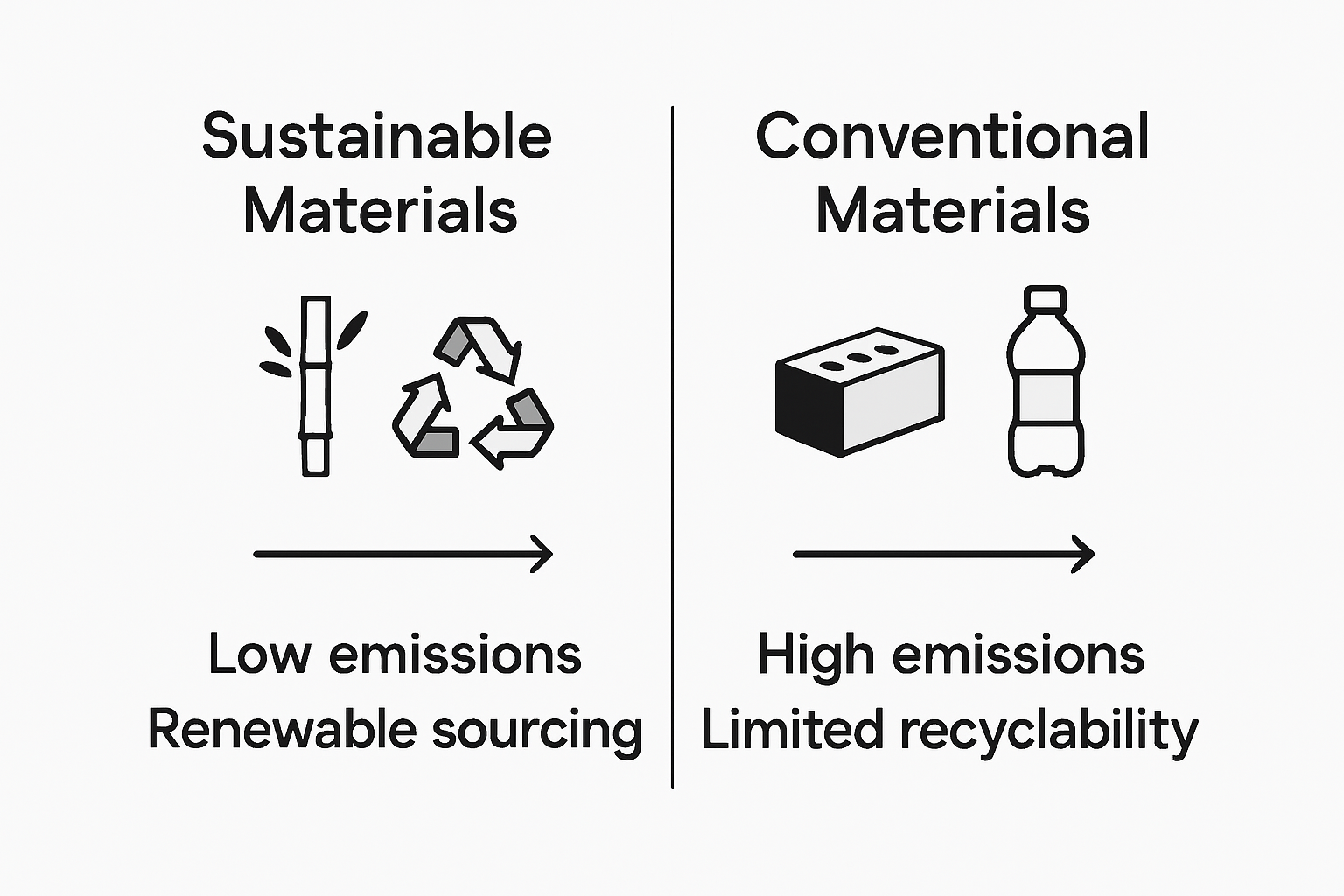
Detailed energy efficiency analyses highlight performance disparities across multiple dimensions. Conventional materials often struggle with thermal regulation, moisture management, and long-term durability, whereas sustainable materials provide superior insulation, natural breathability, and resistance to environmental degradation. Natural materials like cork, hemp, and responsibly sourced timber adapt dynamically to environmental conditions, offering passive climate control that synthetic materials cannot match.
Beyond technical performance, the comparative lifecycle of materials reveals profound differences. Conventional materials typically follow a linear ‘extract-produce-discard’ model, generating significant waste and environmental burden. Sustainable materials, conversely, embody circular economy principles, featuring renewable sourcing, minimal processing, biodegradability, and the potential for complete material recovery and reuse. This fundamental shift represents not just an alternative construction approach, but a comprehensive reimagining of how human-built environments interact with natural ecosystems.
Embrace the Future of Eco-Construction with Sustainable Materials
The challenge of choosing building materials that protect both the environment and your well-being is at the heart of sustainable construction. This article highlights key concerns such as reducing carbon footprints, improving indoor air quality, and achieving cost efficiency through durable, breathable, and energy-efficient resources like cork, hemp, and Nordic wood. At Green Heritage, we understand these pain points firsthand and combine traditional European craftsmanship with cutting-edge modular systems to deliver eco-friendly homes that answer these needs effectively.
Discover how our pre-designed modular kits prioritise sustainability without compromising on speed or quality. Our solutions offer rapid assembly, long-term durability, and healthy living environments that align perfectly with the goals outlined in the article. Whether you are an architect, developer, or a homeowner eager to adopt responsible building methods, we provide tailored eco-construction services designed to create a lasting positive impact.
Ready to transform your building project with sustainable materials that make a difference?
Explore our full range of innovative construction solutions and sustainable home designs at Green Heritage. Take action today to build smart, healthy, and environmentally responsible homes that last for generations. Learn more about our approach to eco-friendly modular homes and join the movement towards a greener future.
Frequently Asked Questions
What are sustainable materials in eco-construction?
Sustainable materials in eco-construction are those selected for their ability to minimise environmental impact, enhance resource efficiency, and promote ecological balance. They include renewable resources, materials with low embodied energy, and those that can be recycled or biodegraded at the end of their lifecycle.
What are the benefits of using sustainable materials in construction?
Using sustainable materials offers numerous benefits, including reduced carbon footprints, improved indoor air quality, enhanced thermal regulation, and healthier living environments. They also contribute to energy efficiency and can reduce long-term maintenance and utility costs, providing overall economic advantages.
How do sustainable materials compare to conventional building materials?
Sustainable materials generally have lower embodied energy, resulting in less environmental impact during production. They offer better insulation and thermal regulation, contributing to more energy-efficient buildings. Unlike conventional materials, sustainable options often follow a circular economy model, allowing for material recovery and reuse, thereby decreasing waste.
What types of materials are considered sustainable in eco-construction?
Typical sustainable materials include rapidly renewable resources such as bamboo and cork, reclaimed timber, recycled steel and aluminium, and natural aggregates like straw and hemp. These materials are chosen for their ecological benefits and superior performance characteristics in construction.
Recommended


Comments