
7 Types of Sustainable Homes Explained for Eco-Friendly Living
Updated: Feb 13
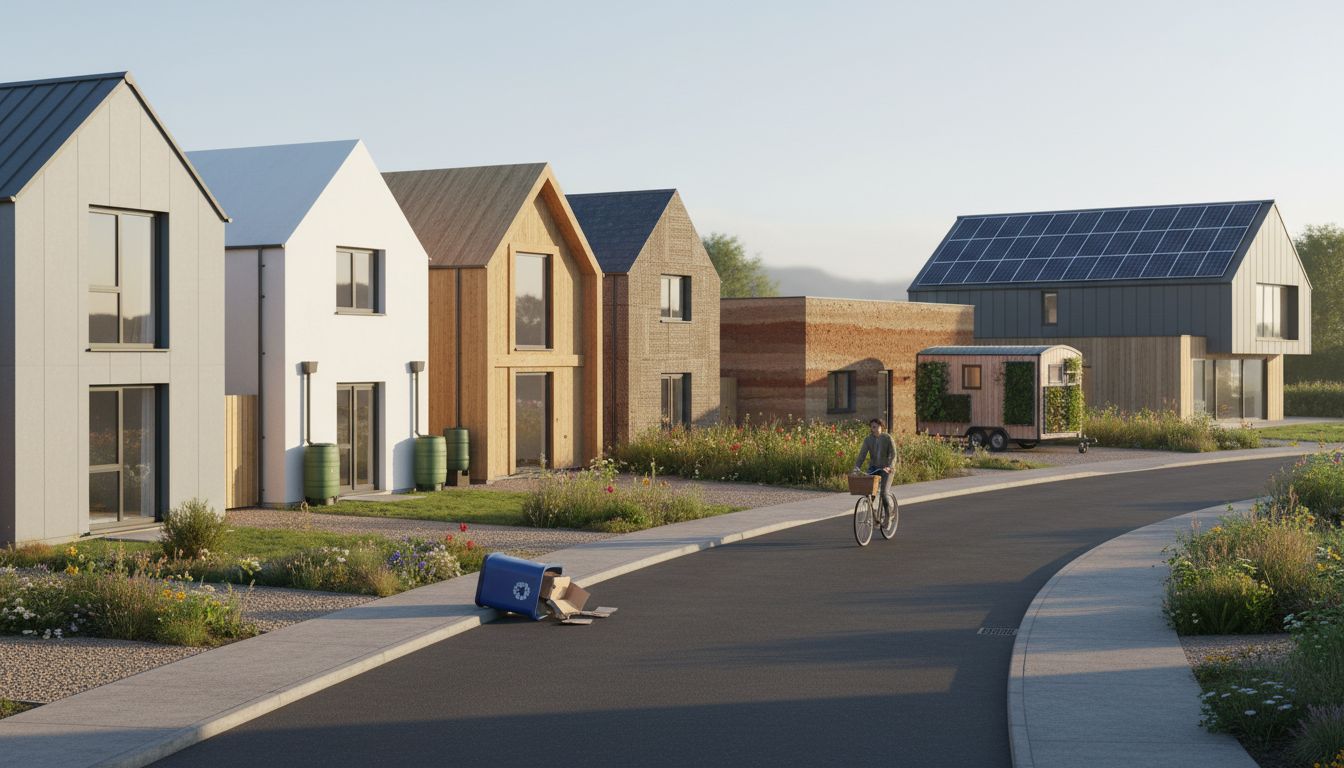
More than 60 percent of British homebuyers now prioritise energy efficiency and sustainability when choosing a property. With rising energy costs and growing concern for the environment, finding smart eco-friendly housing solutions has become essential across the United Kingdom. This guide explores innovative ways British residents are embracing greener living, from modular eco-homes to tech-driven smart villas, revealing how thoughtful design and natural materials are reshaping the future of sustainable homes.
Table of Contents
Quick Summary
Takeaway | Explanation |
1. Modular eco-homes minimise construction waste | Manufactured in factory environments, modular homes significantly reduce waste and carbon emissions compared to traditional methods. |
2. Passive houses drastically cut energy costs | These homes use natural heat sources to maintain comfort, leading to up to 90% less energy consumption than standard buildings. |
3. Cork and hemp promote healthier living spaces | These materials provide excellent insulation and are hypoallergenic, contributing to better air quality and reduced energy needs. |
4. Timber frames offer design flexibility | Timber frame homes combine traditional techniques with modern efficiency, allowing for customised designs and superior thermal performance. |
5. Smart villas integrate technology for sustainability | By using advanced systems to manage energy, smart sustainable villas enhance efficiency while maintaining comfort and convenience. |
1. Modular Eco-Homes: Fast, Flexible, and Efficient
Modular eco-homes represent a revolutionary approach to sustainable housing that combines cutting-edge design with environmental responsibility. These precision-engineered dwellings offer a smart solution for individuals seeking efficient, adaptable living spaces that minimise ecological impact.
Unlike traditional construction methods, modular homes are manufactured in controlled factory environments, which dramatically reduces construction waste and carbon emissions. Companies like BoKlok have demonstrated remarkable efficiency, constructing over 12,000 homes across Sweden, Finland, and Norway with significantly reduced environmental footprint.
The key advantages of modular eco-homes include rapid assembly, superior energy efficiency, and exceptional design flexibility. Prefabricated components are crafted with precision, allowing for quicker construction timelines compared to conventional building techniques. Homeowners can expect reduced build times, lower material wastage, and customisable design options that adapt to individual needs.
These innovative homes typically incorporate high-performance insulation, sustainable materials, and advanced energy systems that minimise long-term environmental impact. By using recycled and locally sourced materials, modular eco-homes contribute to circular economy principles while providing comfortable, modern living spaces.
Pro tip: When considering a modular eco-home, request detailed environmental performance metrics and investigate the specific sustainable technologies integrated into the design to ensure maximum energy efficiency and minimal carbon footprint.
2. Passive Houses: Ultra-Low Energy Consumption
Passive houses represent a groundbreaking approach to sustainable architecture that minimises energy consumption while maximising living comfort. These innovative dwellings are designed to maintain optimal indoor temperatures with minimal heating or cooling requirements.
The International Passive House Association highlights five fundamental principles that transform traditional building practices. These include exceptional thermal insulation, high-performance windows, advanced ventilation heat recovery systems, rigorous airtightness, and the elimination of thermal bridges. By meticulously implementing these design strategies, passive houses achieve remarkable energy efficiency that dramatically reduces carbon emissions.
Traditional heating systems become virtually obsolete in passive houses. Instead, these buildings harness natural heat sources such as sunlight, human body warmth, and household appliances to maintain comfortable indoor temperatures. The advanced ventilation system continuously circulates and filters fresh air, ensuring superior indoor air quality while recovering heat from outgoing air.
Homeowners can expect significant long-term benefits from passive house design. The ultra-low energy consumption translates to substantially reduced utility bills, with some properties consuming up to 90% less energy compared to conventional buildings. Moreover, the stringent construction standards ensure exceptional thermal comfort, minimal external noise, and a consistently pleasant indoor environment.
Pro tip: When considering a passive house, prioritise working with architects and builders certified in passive house design to ensure optimal implementation of these sophisticated energy-efficient principles.
3. Cork and Hemp Homes: Natural, Healthy Materials
Cork and hemp represent revolutionary building materials that transform sustainable home construction through their exceptional natural properties. These eco-friendly materials offer homeowners a unique opportunity to create living spaces that are both environmentally responsible and incredibly comfortable.
Passive House standards emphasise the importance of natural materials like cork and hemp for their remarkable thermal and environmental performance. Cork provides extraordinary insulation capabilities, effectively regulating indoor temperatures while absorbing sound and resisting moisture. Hemp, with its rapid growth cycle and minimal environmental impact, creates building materials that are lightweight, durable, and incredibly energy efficient.
The thermal performance of cork and hemp goes beyond traditional building materials. Cork’s cellular structure contains millions of microscopic air pockets that trap heat, providing exceptional insulation properties. Hemp based building blocks offer superior breathability, helping to regulate humidity and prevent mould growth while maintaining consistent indoor temperatures.
Beyond thermal efficiency, these materials contribute to healthier indoor environments. They are naturally hypoallergenic, resistant to pests, and free from harmful chemicals often found in synthetic building materials. Homeowners choosing cork and hemp constructions can expect improved air quality, reduced energy consumption, and a significantly lower carbon footprint.
Pro tip: When selecting cork or hemp building materials, request independent certification of their sustainability credentials and thermal performance to ensure you are getting genuine eco friendly construction solutions.
4. Timber Frame Houses: Tradition Meets Modern Sustainability
Timber frame houses represent an elegant fusion of traditional craftsmanship and contemporary sustainable design, offering homeowners a powerful approach to eco friendly construction. These structures combine centuries old building techniques with cutting edge environmental performance.
Passive House standards demonstrate how timber frame construction can achieve exceptional energy efficiency through meticulous design and precise engineering. The natural properties of wood provide remarkable thermal performance, creating homes that maintain consistent temperatures while dramatically reducing energy consumption.
The structural integrity of timber frame houses stems from their carefully engineered joints and connections, which allow for extraordinary flexibility in design while maintaining robust environmental credentials. Unlike conventional brick or concrete constructions, timber frames offer superior insulation properties, with natural wood acting as an excellent thermal regulator that helps stabilise indoor temperatures throughout seasonal variations.
Modern timber frame construction incorporates advanced techniques such as computer aided design and precision manufacturing, enabling builders to create highly airtight structures that minimise heat loss. These homes can be customised to suit various architectural styles while maintaining exceptional environmental performance, making them an ideal solution for environmentally conscious homeowners seeking both aesthetic appeal and sustainable living.
Pro tip: When planning a timber frame house, consult specialists who understand both traditional woodworking techniques and contemporary sustainable building standards to ensure optimal thermal performance and structural longevity.
5. Earth Homes: Building with Local and Natural Resources
Earth homes represent a profound connection between architecture and natural landscape, transforming local soil and geological resources into sustainable, comfortable living spaces. These remarkable dwellings showcase how indigenous building techniques can create energy efficient homes with minimal environmental impact.
Passive House standards demonstrate the remarkable thermal properties of earth based construction methods such as rammed earth and adobe. By leveraging the natural thermal mass of soil materials, these homes maintain consistent indoor temperatures, dramatically reducing energy consumption for heating and cooling.
Rammed earth and adobe construction techniques involve compacting local soil into dense, solid walls that provide exceptional insulation and structural integrity. These materials absorb heat during warm daytime periods and release it slowly during cooler nights, creating a natural temperature regulation system that eliminates the need for complex mechanical heating and cooling infrastructure.
Beyond thermal efficiency, earth homes offer significant environmental advantages. They utilise locally sourced materials, minimise transportation emissions, support regional building traditions, and create structures that blend seamlessly with surrounding landscapes. The thick earth walls also provide superior sound insulation, creating peaceful indoor environments that connect inhabitants with natural surroundings.
Pro tip: Before designing an earth home, conduct thorough soil testing to understand local geological composition and ensure optimal material selection for structural stability and thermal performance.
6. Tiny and Compact Green Homes: Maximising Space, Minimising Impact
Tiny green homes represent a revolutionary approach to sustainable living, transforming compact spaces into highly efficient and environmentally responsible dwellings. These miniature architectural marvels challenge traditional housing concepts by proving that smaller footprints can deliver exceptional comfort and minimal ecological impact.
Passive House standards demonstrate how intelligent design can maximise functionality within limited square metres. By integrating innovative space saving solutions and advanced energy efficient technologies, these homes achieve remarkable sustainability without compromising living quality.
The core philosophy of tiny green homes centres on intelligent spatial design and multifunctional living areas. Clever architectural strategies such as convertible furniture, vertical storage solutions, and modular living spaces enable residents to create flexible environments that adapt to changing lifestyle needs. Each square metre is meticulously planned to deliver maximum utility while minimising resource consumption.
Beyond spatial efficiency, these compact dwellings dramatically reduce environmental impact. Smaller homes require fewer building materials, consume less energy for heating and cooling, and generate significantly lower carbon emissions compared to traditional residential constructions. The reduced energy demand means lower utility bills and a substantially lighter ecological footprint.
Pro tip: When designing a tiny green home, prioritise high quality insulation, invest in multipurpose furniture, and implement clever storage solutions to create a comfortable and functional living space that feels significantly larger than its actual dimensions.
7. Smart Sustainable Villas: Integrating Technology for Efficiency
Smart sustainable villas represent the pinnacle of eco friendly living, where cutting edge technology meets environmental consciousness. These advanced dwellings transform residential spaces into intelligent ecosystems that actively manage energy consumption and enhance living comfort.
Passive House technologies demonstrate how integrated smart systems can dramatically reduce energy requirements while providing unprecedented levels of occupant control. Sophisticated sensors and automated networks continuously monitor and adjust heating, cooling, ventilation, and lighting to optimise efficiency and minimise waste.
The core philosophy of smart sustainable villas centres on predictive and adaptive technologies. Intelligent building management systems learn residents’ behaviours, anticipating energy needs and automatically adjusting environmental conditions. Solar panels, battery storage, and smart grid integration enable these homes to generate, store, and intelligently redistribute renewable energy, creating a self sustaining ecosystem.
Beyond energy management, these villas incorporate advanced air quality monitoring, automated security systems, and intuitive user interfaces that allow residents to control their entire living environment through smartphone applications. The seamless integration of technology ensures that sustainability does not come at the expense of comfort or convenience.
Pro tip: When designing a smart sustainable villa, invest in open protocol smart home systems that allow future upgrades and integration of emerging green technologies, ensuring your home remains at the forefront of sustainable innovation.
Below is a comprehensive table summarising the various sustainable housing approaches discussed throughout the article.
Housing Type | Description | Key Benefits |
Modular Eco-Homes | Factory-built for efficiency and reduced waste. | Rapid assembly, energy efficiency, design flexibility. |
Passive Houses | Minimise energy through design. | Low energy consumption, reduced utility bills, high comfort. |
Cork and Hemp Homes | Use natural materials for construction. | Excellent insulation, hypoallergenic, eco-friendly. |
Timber Frame Houses | Traditional and modern sustainable design. | Superior insulation, design flexibility, eco longevity. |
Earth Homes | Utilise local soil resources. | Energy efficiency, local material use, blends with landscape. |
Tiny and Compact Green Homes | Maximal efficiency in small spaces. | Lower energy demand, multifunctional space, eco footprint. |
Smart Sustainable Villas | Tech-integrated energy management. | Energy autonomy, tech convenience, high comfort. |
Discover Your Ideal Sustainable Home Solution with Green Heritage
Navigating the world of sustainable housing can feel overwhelming, especially when balancing energy efficiency, rapid construction, and healthy living environments. This article highlights key eco-friendly home types like modular eco-homes, cork and hemp buildings, timber frames, and smart villas — all designed to reduce environmental impact while enhancing comfort. If you seek a home that combines durability, speed of assembly, and cutting-edge eco-materials such as certified Nordic wood and natural cork, Green Heritage delivers tailored solutions blending traditional European craftsmanship with modern technologies.
Explore how our pre-designed modular kits and customised system solutions can bring your sustainable dream home to life quickly and affordably. Whether you are an architect, developer, or homeowner ready to embrace eco-conscious living, start your journey today with Green Heritage. To learn more about our innovative approach, visit our homepage and see how we integrate natural materials and efficient designs for homes built to stand the test of time.
Frequently Asked Questions
What are modular eco-homes and how do they benefit the environment?
Modular eco-homes are prefabricated dwellings built in factories, which leads to less construction waste and reduced carbon emissions. Consider exploring modular options to achieve quicker build times and lower ecological footprints, while enjoying customised design features.
How do passive houses maintain comfortable temperatures with low energy use?
Passive houses utilise advanced insulation, high-performance windows, and precise airtightness to regulate indoor temperatures without traditional heating systems. Prioritise working with certified architects and builders to implement these features effectively, which can reduce energy consumption by up to 90% compared to conventional homes.
What are the advantages of using cork and hemp as building materials?
Cork and hemp are natural materials that offer excellent insulation, humidity regulation, and improved air quality. When choosing these materials for construction, request independent certification of their sustainability and thermal performance to ensure you’re making eco-friendly choices.
How do timber frame houses achieve both traditional aesthetics and modern sustainability?
Timber frame houses combine traditional craftsmanship with contemporary design techniques to enhance energy efficiency. Engage specialists who understand both the historical context and modern building standards to optimise thermal performance while achieving your desired architectural style.
What are the key benefits of earth homes in terms of sustainability?
Earth homes are built using local soil, which provides excellent insulation and minimises the need for mechanical heating or cooling. Consider conducting soil tests before designing an earth home to select optimal materials for stability and thermal efficiency, allowing you to create a naturally comfortable environment.
How can I make the most of a tiny green home?
Tiny green homes focus on smart design and multifunctional living spaces, which allow for efficient use of limited square metres. When planning your layout, prioritise high-quality insulation and innovative storage solutions to enhance comfort and functionality in your compact living space.
Recommended


trang chủ mb66 khiến mình chú ý đến thông báo khi có nội dung xuất hiện nhưng chưa chắc mình cần xử lý ngay lúc đó. Mình thường xem nhanh phần chính, ghi nhớ vị trí rồi tiếp tục với đá gà nếu thông tin chưa cần mở chi tiết. Khi muốn kiểm tra lại, mình có thể quay về đúng khu vực thay vì tìm từ đầu. Cách các thông báo được đặt riêng cũng giúp mình phân biệt chúng với những chức năng khác trên màn hình. Với mình, phần này dễ theo dõi nhất khi mình có thể chủ động chọn thời điểm xem mà vẫn nhận biết được nơi cần quay lại sau đó.
go88en.com makes me curious about how a platform maintains consistency when individual choices have their own presentation styles. I often examine the broader category structure before opening specific content. Live Casino becomes particularly interesting when I observe how Blackjack and Roulette appear within the selection. I look at the relationship between their titles, visual previews, and surrounding information. The interface arrangement also becomes relevant when I return to the main category after exploring an individual choice. I want to understand whether the same recognizable elements continue to guide the route, allowing me to identify my previous position without reviewing the entire selection again.
trang chủ UY88 là website tôi đánh giá qua khả năng kết nối các khu vực chức năng thành một hành trình sử dụng liền mạch. Tôi bắt đầu từ trang chính, mở phần tài khoản rồi chuyển sang hướng dẫn, danh mục thể thao và những khu vực như casino, bắn cá hoặc xổ số. Trong mỗi bước, tôi quan sát cách menu được giữ nhất quán, vị trí đường dẫn quay lại và khả năng tìm lại nội dung vừa xem. Tôi cũng kiểm tra mục tải ứng dụng, thông tin liên hệ và chính sách sử dụng để đánh giá khả năng tiếp cận các thông tin ngoài danh mục giải trí. Nếu các trang hoạt động như…
https://qq88pro.vip/ làm mình chú ý đến những tình huống chỉ xuất hiện khi dành đủ thời gian cho một nội dung. Mình thường muốn quan sát kỹ diễn biến bên trong trước khi chuyển sang lựa chọn tiếp theo. Với Bắn cá, mình thử Bắn cá Long Vương và để ý những thời điểm Boss xuất hiện, từ đó quan sát cách lựa chọn mục tiêu trong màn chơi. Khi chuyển sang Nổ hũ, mình lại tập trung vào diễn biến của từng lượt quay. Ngoài những hoạt động này, mình cũng tìm hiểu khu vực bảo mật và các chức năng xác minh tài khoản được giới thiệu. Với mình, việc phân biệt những thao tác trong trò chơi với…
https://hi88.uno/ giúp tôi quan sát cách trình bày thông tin trong những khu vực thể thao có nhiều sự kiện. Khi xem bóng đá, bóng chuyền, cầu lông và bóng bàn, tôi quan tâm đến việc phân biệt thời gian thi đấu, tên giải và thông tin chi tiết của từng trận. Nếu các dữ liệu được sắp xếp theo môn hoặc thời điểm, người dùng có thể tìm nội dung mong muốn nhanh hơn. Tôi cũng chú ý đến cách giao diện xử lý khi thông tin chưa được cập nhật, bởi trạng thái hiển thị rõ ràng giúp hạn chế hiểu nhầm. Trên màn hình nhỏ, các dòng dữ liệu cần đủ thoáng để dễ đọc và không bị…