
7 Best Eco Materials for Homes and Their Key Benefits
Updated: Feb 13
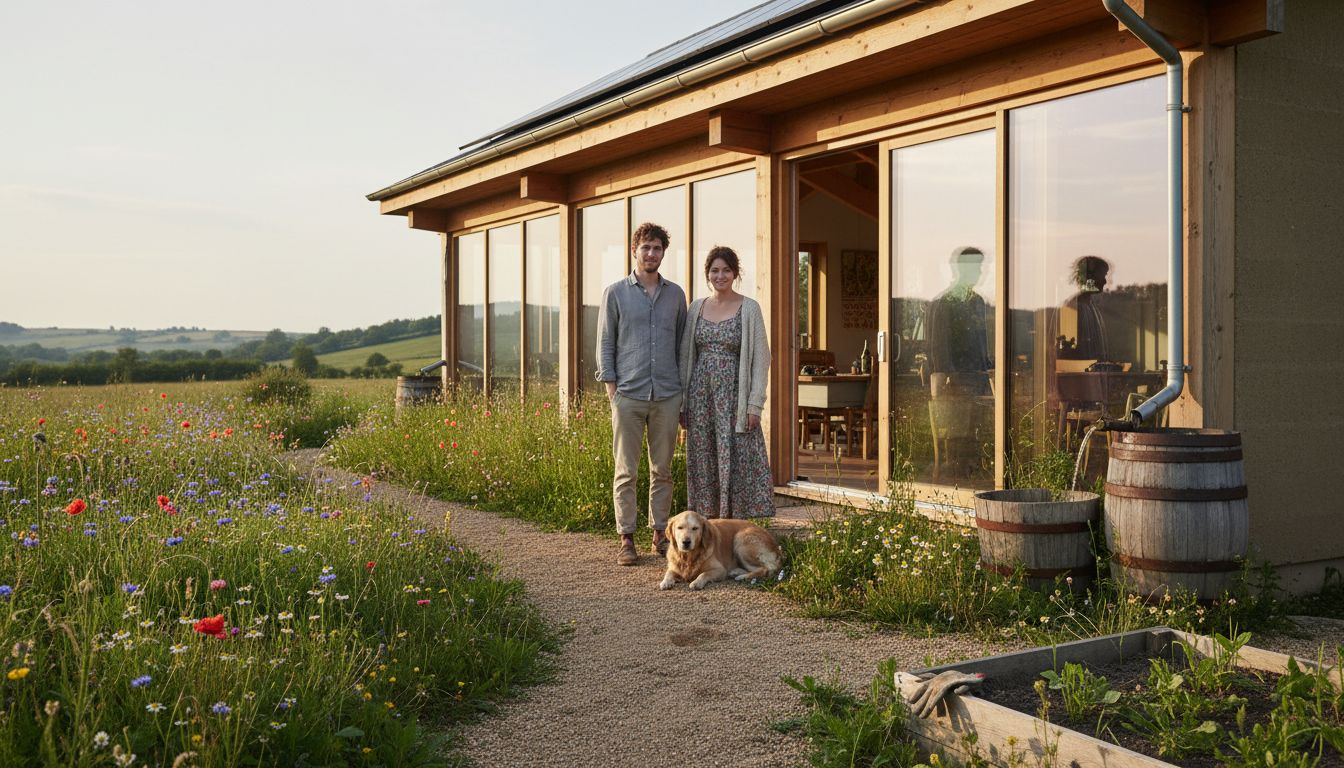
Building a home that balances comfort, durability, and sustainability is no longer just a wish for british homeowners. As much as 39 percent of global carbon emissions come from construction and buildings, making eco-friendly material choices more important than ever. This guide explores natural and recycled options like cork, hempcrete, and certified Nordic wood—offering clear insights on how these innovative materials can reduce your environmental impact while creating healthier living spaces.
Table of Contents
Quick Summary
Key Message | Explanation |
1. Cork is a sustainable insulation option | Cork is harvested without harming trees, making it environmentally friendly and effective for thermal regulation. |
2. Hempcrete actively captures carbon | Hempcrete’s composition allows it to store significant amounts of carbon dioxide, enhancing its role in climate change mitigation. |
3. Certified Nordic wood ensures sustainable sourcing | Sourced from managed forests, certified Nordic wood supports ecosystem health and offers durability and carbon storage benefits. |
4. Recycled steel reduces environmental impact | Using recycled steel minimizes waste and conserves resources, with high strength ensuring robust structural integrity. |
5. Sheep wool enhances indoor air quality | Sheep wool insulation regulates humidity, absorbs pollutants, and is biodegradable, providing a healthier living environment. |
1. Cork: Natural Insulation with Local Roots
Cork represents a remarkable eco material that transforms sustainable home construction through its extraordinary natural properties. Sourced directly from the bark of cork oak trees predominantly found in Mediterranean regions, this remarkable material offers an environmentally friendly insulation solution that combines performance with ecological responsibility.
The production of cork involves a unique harvesting process that does not harm the trees, making it an incredibly sustainable resource. Insulation Cork Boards are produced from cork granules, which are by-products of the cork stopper industry, demonstrating an impressive commitment to recycling and waste reduction.
Thermal performance sets cork apart from synthetic insulation materials. Its cellular structure creates microscopic air pockets that provide exceptional thermal regulation, keeping homes cool during summer and warm during winter. Scientific research confirms cork’s impressive thermal and acoustic insulation capabilities, making it an intelligent choice for energy-efficient building design.
Beyond thermal properties, cork offers remarkable acoustic dampening qualities. Its dense yet flexible structure absorbs sound waves, reducing noise transmission between rooms and from external sources. This makes cork particularly valuable in urban environments or homes near busy streets.
Environmentally conscious homeowners will appreciate cork’s biodegradability and low carbon footprint. Unlike synthetic insulation materials that rely on petroleum-based products, cork is a renewable resource that supports ecological balance and sustainable forestry practices.
Pro tip: When selecting cork insulation, request certification of sustainable harvesting practices to ensure you are supporting responsible ecological management and obtaining the highest quality material for your home.
2. Hempcrete: Breathable Walls That Store Carbon
Hempcrete represents a revolutionary ecological building material that transforms sustainable construction through its remarkable carbon negative properties. This innovative biocomposite combines hemp shiv with a lime based binder to create a building solution that actively contributes to environmental regeneration.
Hempcrete offers extraordinary thermal performance and carbon sequestration capabilities, making it far more than a conventional building material. Its unique composition allows for exceptional moisture regulation and thermal insulation, creating living spaces that are both comfortable and environmentally responsible.
The material’s breathable nature sets it apart from traditional construction methods. Unlike synthetic materials that trap moisture, hempcrete allows walls to naturally regulate humidity, preventing mould growth and creating healthier indoor environments. Scientific research demonstrates that one cubic metre of hempcrete can store up to 180 kg of carbon dioxide, effectively transforming your home into a carbon capture system.
Hempcrete’s manufacturing process is significantly more sustainable compared to conventional building materials. The hemp plant itself absorbs substantial amounts of carbon during growth, and the lime binder continues to capture carbon through a process called carbonation. This means your walls are actively working to reduce atmospheric carbon throughout their lifetime.
From a practical perspective, hempcrete provides excellent thermal mass, helping to stabilise indoor temperatures and reduce energy consumption. Its natural insulation properties mean lower heating and cooling costs, making it an economically smart choice for environmentally conscious homeowners.
Pro tip: When considering hempcrete for your home, consult with specialists experienced in biocomposite construction to ensure proper application and maximise the material’s unique performance characteristics.
3. Certified Nordic Wood: Durable and Renewable Structure
Certified Nordic wood emerges as a premier ecological building material, representing a perfect harmony between architectural excellence and environmental stewardship. Sourced from carefully managed Nordic forests, this remarkable material offers architects and homeowners an opportunity to construct sustainable, high performance structures.
Nordic wood provides exceptional durability and carbon storage capabilities, transforming traditional construction practices into environmentally responsible solutions. The wood’s inherent strength and resilience make it an outstanding choice for structural elements, ensuring long lasting building integrity while simultaneously supporting ecosystem health.
The sustainable forest management practices behind certified Nordic wood distinguish it from conventional timber sources. These forests are meticulously monitored, with every harvested tree replaced through strategic replanting programmes. This approach ensures a continuous, renewable timber supply without compromising forest ecosystems or biodiversity.
Beyond its structural advantages, Nordic wood offers remarkable thermal properties. Its natural cellular structure provides excellent insulation, helping regulate indoor temperatures and reducing energy consumption. Homeowners can expect improved thermal efficiency and reduced heating costs compared to traditional building materials.
From an environmental perspective, certified Nordic wood acts as a powerful carbon storage mechanism. As trees grow, they absorb significant quantities of atmospheric carbon dioxide, and this carbon remains sequestered within the wood even after being transformed into building materials. This means your home becomes a passive carbon capture system, actively contributing to climate change mitigation.
Pro tip: When selecting certified Nordic wood, always request documentation confirming sustainable forest management certification to guarantee both environmental responsibility and superior material quality.
4. Recycled Steel: Strong Frames with Low Waste
Recycled steel represents a groundbreaking solution in sustainable construction, offering architects and homeowners an opportunity to build robust structures while significantly reducing environmental impact. This innovative material transforms industrial waste into powerful architectural elements that challenge traditional building practices.
Incorporating recycled steel frames minimises carbon footprint and supports sustainable building initiatives, providing remarkable structural integrity without compromising ecological responsibility. The process of recycling steel requires substantially less energy compared to producing virgin metal, making it an intelligent choice for environmentally conscious construction projects.
The remarkable strength of recycled steel allows for lightweight yet incredibly durable building frames. Unlike traditional materials, recycled steel maintains its structural properties through multiple recycling processes, enabling architects to design buildings that are both resilient and environmentally friendly. Its high tensile strength means fewer material resources are required to create stable, long lasting structures.
From an environmental perspective, recycling steel dramatically reduces waste and conserves natural resources. A single tonne of recycled steel saves approximately 1.5 tonnes of iron ore, 0.5 tonnes of coal, and significantly reduces greenhouse gas emissions. This approach transforms what was once considered industrial waste into a valuable building resource.
Modern construction techniques have refined recycled steel processing, ensuring that reclaimed metal meets stringent quality and safety standards. Architects and builders can confidently specify recycled steel, knowing it provides equivalent or superior performance to newly manufactured materials while supporting circular economic principles.
Pro tip: When specifying recycled steel for your project, request detailed certification of its recycling process and metallurgical properties to ensure maximum performance and environmental credibility.
5. Sheep Wool: Natural Thermal and Acoustic Insulation
Sheep wool emerges as a sophisticated ecological insulation material that transforms sustainable building practices through its remarkable natural properties. This extraordinary material offers homeowners a renewable solution that goes far beyond conventional synthetic insulation approaches.
Sheep wool insulation provides superior thermal and acoustic performance while enhancing indoor air quality, creating living spaces that are both comfortable and environmentally responsible. Its unique cellular structure traps air molecules, creating an exceptional barrier against temperature fluctuations and sound transmission.
The material’s breathability sets it apart from synthetic alternatives. Sheep wool can absorb and release moisture without compromising its insulative capabilities, actively regulating indoor humidity levels. This means your home remains comfortable in varying environmental conditions, reducing the need for additional climate control systems.
Environmentally conscious homeowners will appreciate wool’s completely natural lifecycle. Unlike petroleum based insulation materials, sheep wool is biodegradable, renewable, and requires minimal processing. The production of wool insulation consumes significantly less energy compared to synthetic alternatives, further reducing its carbon footprint.
Additionally, sheep wool possesses inherent fire resistant properties and can absorb indoor air pollutants, effectively purifying the internal environment. Its ability to neutralise harmful chemicals like formaldehyde creates a healthier living space without relying on additional chemical treatments.
Pro tip: When selecting sheep wool insulation, prioritise locally sourced materials from sustainable farming practices to maximise both environmental and performance benefits.
6. Bamboo: Fast-Growing, Versatile Building Solution
Bamboo emerges as a revolutionary ecological building material that challenges traditional construction paradigms with its extraordinary growth and structural capabilities. This remarkable plant offers architects and homeowners a sustainable alternative that combines environmental responsibility with exceptional performance.
Bamboo provides a versatile and sustainable solution for eco-friendly building designs, transforming the way we conceptualise construction materials. Its remarkable growth rate allows a single plant to reach full maturity in just three to five years, compared to decades required for traditional timber species, making it an incredibly renewable resource.
The structural properties of bamboo rival those of many conventional building materials. Its impressive tensile strength and lightweight nature make it ideal for creating robust yet flexible architectural elements. Engineered bamboo products can be used for everything from structural frames to decorative finishes, offering unprecedented versatility in sustainable construction.
Environmentally, bamboo stands out as a carbon sequestration champion. During its rapid growth, the plant absorbs significantly more carbon dioxide compared to equivalent tree species. When harvested responsibly, bamboo creates minimal ecological disruption, with new shoots continuously regenerating from the same root system without the need for replanting.
Cultural traditions in Asia have long recognised bamboo’s architectural potential, with centuries of sophisticated building techniques demonstrating its remarkable durability and adaptability. Modern engineering has further enhanced these traditional methods, creating sophisticated bamboo composites that meet stringent contemporary building standards.
Pro tip: When selecting bamboo for construction, prioritise materials from certified sustainable sources and consult specialists who understand the nuanced engineering requirements of this unique ecological building material.
7. Clay Plaster: Healthy, Low-Toxin Interior Finish
Clay plaster emerges as a revolutionary interior finishing material that transforms living spaces into breathable, naturally balanced environments. This ancient yet innovative material offers homeowners a sophisticated solution that goes far beyond conventional wall treatments.
Clay plaster provides a non-toxic interior finish that enhances indoor air quality and supports sustainable building practices, creating living spaces that actively contribute to occupant wellbeing. Its remarkable moisture-regulating properties distinguish it from synthetic wall coverings, offering a dynamic approach to interior environmental management.
Unlike standard gypsum or synthetic plasters, clay plaster maintains a unique ability to absorb and release moisture, helping to stabilise indoor humidity levels. This natural hygroscopic quality prevents condensation, reduces the risk of mould growth, and creates a more comfortable living environment. The material’s porous structure allows walls to breathe, actively filtering and purifying indoor air.
Environmentally conscious homeowners will appreciate clay plaster’s minimal carbon footprint. Composed of natural earth materials, it requires minimal processing and can be sourced locally, significantly reducing transportation emissions. The material is entirely recyclable and biodegradable, aligning perfectly with circular economy principles.
Aesthetic versatility makes clay plaster particularly appealing. Available in a wide range of natural pigments and textures, it can create everything from smooth, contemporary finishes to rustic, artisanal wall treatments. Its ability to absorb and reflect light differently throughout the day adds depth and character to interior spaces.
Pro tip: When applying clay plaster, ensure your walls are properly prepared and consult with specialists who understand the material’s unique application techniques to achieve optimal performance and aesthetic results.
This table summarises various eco-friendly building materials discussed in the article, highlighting their unique properties, benefits, and sustainable attributes.
Material | Description | Key Benefits |
Cork | Sourced from cork oak trees, used as insulation. | Exceptional thermal and acoustic insulation, biodegradable. |
Hempcrete | Biocomposite of hemp and lime, used for walls. | Carbon negative, breathable, stabilises indoor humidity. |
Certified Nordic Wood | Sourced from managed forests, used for structures. | Durable, renewable, excellent thermal properties. |
Recycled Steel | Made from reclaimed steel, used for frames. | High strength, low waste, conserves resources. |
Sheep Wool | Natural insulation material derived from wool. | Superior thermal and acoustic performance, breathable. |
Bamboo | Fast-growing plant used for various construction purposes. | High tensile strength, carbon sequestering, renewable. |
Clay Plaster | Natural interior finish derived from earth materials. | Non-toxic, moisture-regulating, aesthetic versatility. |
Build Your Dream Eco Home with the Finest Sustainable Materials
Are you inspired by the benefits of cork, hempcrete, certified Nordic wood, and other eco materials for healthier and more energy-efficient living? At Green Heritage we understand the challenge of finding durable sustainable solutions that blend traditional European craftsmanship with modern technology. Our modular homes use carefully selected eco-materials highlighted in the article to ensure your home is not only environmentally responsible but also quick to assemble and uniquely customised.
Discover how you can reduce your carbon footprint enhance indoor air quality and enjoy lasting thermal comfort by choosing one of our innovative pre-designed modular kits. Whether you seek a rustic retreat or a luxury villa our expert team provides tailored design and project management services. Act now to build a home that truly reflects your commitment to sustainability and health. Visit Green Heritage to explore our eco-friendly home solutions and make your sustainable living dream a reality today.
Frequently Asked Questions
What are the main benefits of using eco materials in home construction?
Using eco materials in home construction offers numerous benefits, including improved energy efficiency, reduced carbon footprint, and enhanced indoor air quality. By incorporating these materials, homeowners can create healthier living environments while also conserving resources.
How does cork insulation compare to traditional insulation materials?
Cork insulation stands out due to its excellent thermal and acoustic properties. It effectively regulates indoor temperatures and reduces noise transmission, making it a superior choice for energy-efficient and comfortable homes.
What is the carbon storage capacity of hempcrete?
Hempcrete has impressive carbon storage capabilities, potentially storing up to 180 kg of carbon dioxide for each cubic metre used. By choosing hempcrete for your construction project, you contribute actively to carbon sequestration and a healthier planet.
How can recycled steel improve the sustainability of my building project?
Recycled steel reduces the reliance on virgin materials and conserves natural resources, as it requires significantly less energy to produce. Incorporating recycled steel can lower your project’s carbon footprint and promote circular economy practices within 30–60 days.
Why is sheep wool a good choice for insulation?
Sheep wool insulation offers natural thermal and acoustic performance while also enhancing indoor air quality. By using sheep wool, you can create a comfortable living space that regulates humidity and reduces the need for additional climate control systems.
How does bamboo contribute to eco-friendly building?
Bamboo is a rapidly renewable resource that provides strong and flexible building materials. Its impressive growth rate means it can be harvested sustainably, making it an excellent choice for environmentally friendly construction projects.
Recommended


Comments